
5 Money Habits Keeping You Broke Without You Realizing It
Ever feel like your paycheck disappears before you even get a chance to enjoy it? You’re not alone! Many of us unknowingly cling to money habits that keep us financially stuck. In this piece, we’ll dive into some sneaky behaviors and mindsets that might be draining your wallet, while offering simple tweaks to help you get back on track. Let’s uncover those hidden pitfalls and set you on a brighter path to financial freedom!
Overlooking Subscription Services

In today’s digital age, subscription services are everywhere. From streaming platforms to meal kits, they offer convenience at our fingertips. However, they can also drain our wallets without us even noticing.
Many people forget to evaluate these ongoing costs. You might sign up for a service thinking you’ll use it regularly, but life gets busy, and before you know it, you’re paying for something you barely touch. This habit sneaks up on you, creating a financial burden.
Take a moment each month to go through your subscriptions. Ask yourself which services you actually use and love. You might find you can cancel a few, saving yourself some serious cash. Remember, the small monthly fees can add up quickly!
Living Beyond Your Means

Imagine being surrounded by piles of cash and fancy items, yet feeling overwhelmed. This is what living beyond your means looks like. In the chaos of our daily lives, it’s easy to get swept up in the allure of luxury and end up spending more than we can afford.
When we chase luxury items and experiences without a budget, we often find ourselves in a cycle of debt. Living like there’s no tomorrow can seem tempting, but it frequently leads to stress and financial struggles. Recognizing this habit is the first step toward change.
It’s crucial to set boundaries for spending, so you can enjoy your life without financial strain. Think carefully about your purchasing decisions. Sometimes, less truly is more when it comes to financial health.
Ignoring Small Expenses
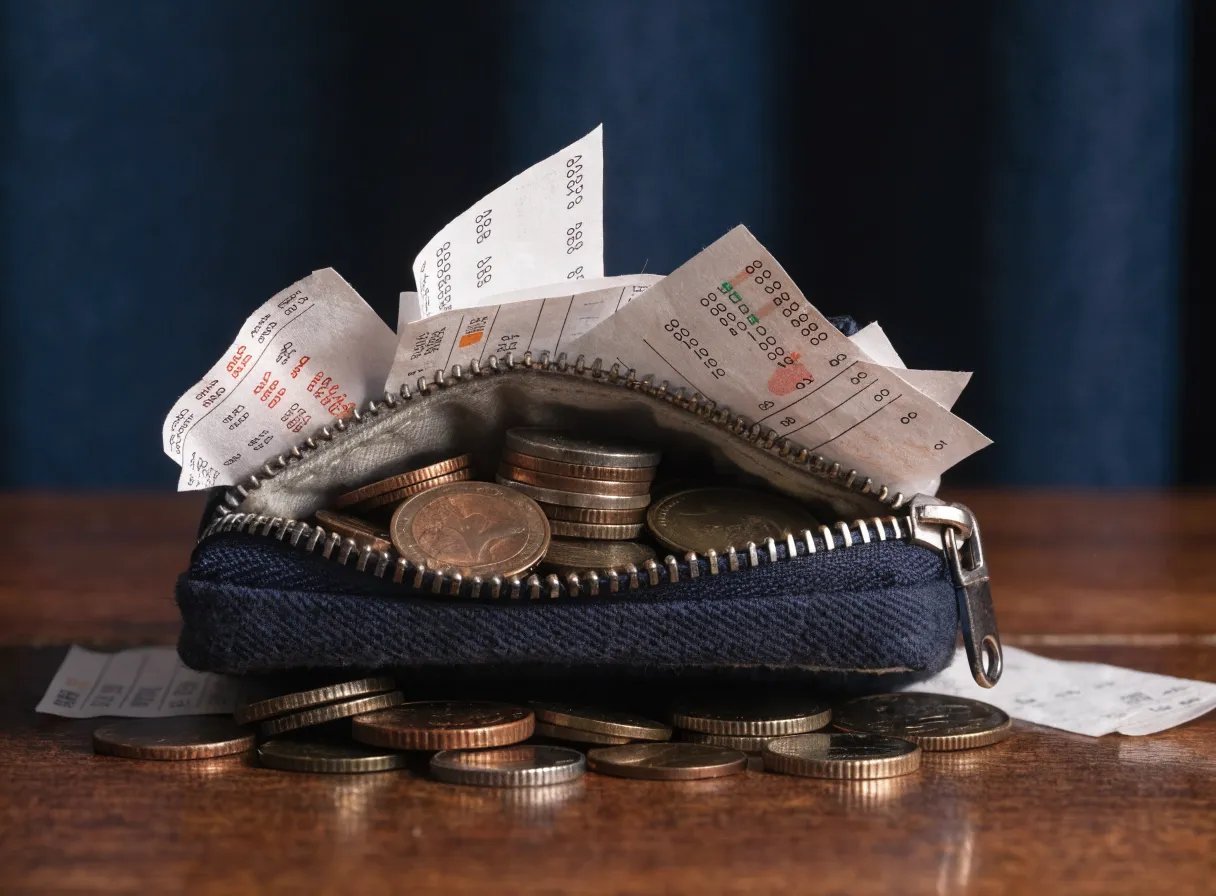
Have you ever looked at your wallet and thought, ‘It’s just a few coins’? Many of us don’t realize that these little expenses can add up fast. When we treat small purchases as insignificant, we start to lose track of our spending.
Every time you grab a coffee, or make an impulse buy, it seems harmless at the moment. However, these tiny expenses can sneak up on you and wreck your budget. If you take a moment to track these purchases, you might be surprised by how they drain your finances. It’s all about being mindful.
To really get ahead, it’s crucial to pay attention to every penny. Think of each small expense as a tiny leak in your financial boat. You might not see the damage right away, but over time, it can sink your financial health. So, make it a habit to jot down those little spends. Once you see where your money is going, you can make better choices and keep more in your pocket.
Impulse Buying Traps

Picture this: a person standing in a brightly lit grocery store, surrounded by aisles full of colorful products. It’s easy to get lost in all the options available. The shelves are packed with enticing items, and those sale signs dangle from above like tempting bait.
Impulse buying is a sneaky habit that can empty your wallet before you even realize it. The thrill of grabbing something just because it’s on sale or looks appealing can quickly add up. You might walk in for a loaf of bread and leave with half a cart of items you never intended to buy.
Many stores design their layouts to encourage these spur-of-the-moment purchases. Those appealing displays at the end of aisles? They know what they’re doing. They’re designed to catch your eye and spark the urge to buy.
Being mindful of your shopping habits is crucial. Before heading to the store, make a list and stick to it. Challenge yourself to only buy what’s on that list. Next time you’re in a store like the one in the image, be cautious: ask yourself if you need an item or just want it. This small step can help you fight those impulse buying traps!
Neglecting Budgeting Tools

Take a look at this cluttered desk with stacks of papers and a laptop gleaming with financial graphs. It shows how chaotic our finances can get when we don’t use budgeting tools effectively. A messy workspace often reflects a messy financial situation.
Many people think they can manage their finances without tracking their spending. But this is like trying to navigate without a map. The graphs on that laptop represent the insights we could be gaining, yet the surrounding clutter signifies neglect. It’s easy to let important tools fall by the wayside.
Budgeting tools help you visualize where your money is going. Without these resources, it’s tough to identify spending patterns or areas for improvement. Look at those papers, full of receipts and unorganized notes. Imagine if that information were systematically processed in a budgeting app instead. You’d be able to see your income sources, expenses, and even savings goals all in one place.
Ignoring these handy tools can lead to missed opportunities for saving and planning for the future. It’s time to declutter your approach to budgeting. Start by integrating these tools into your routine, so you’re not left sifting through paper chaos at the end of the month.